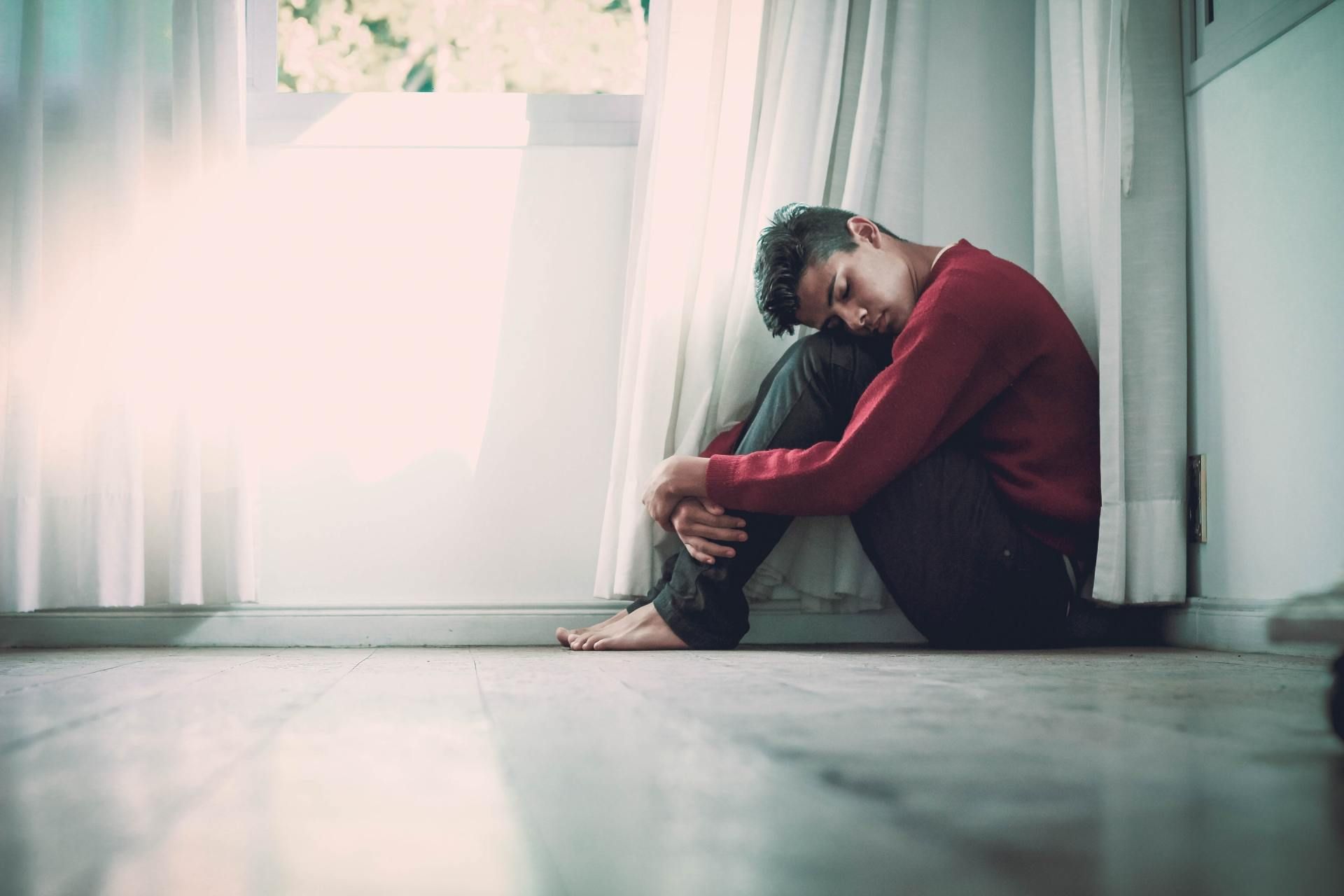
Symptoms of Anxiety
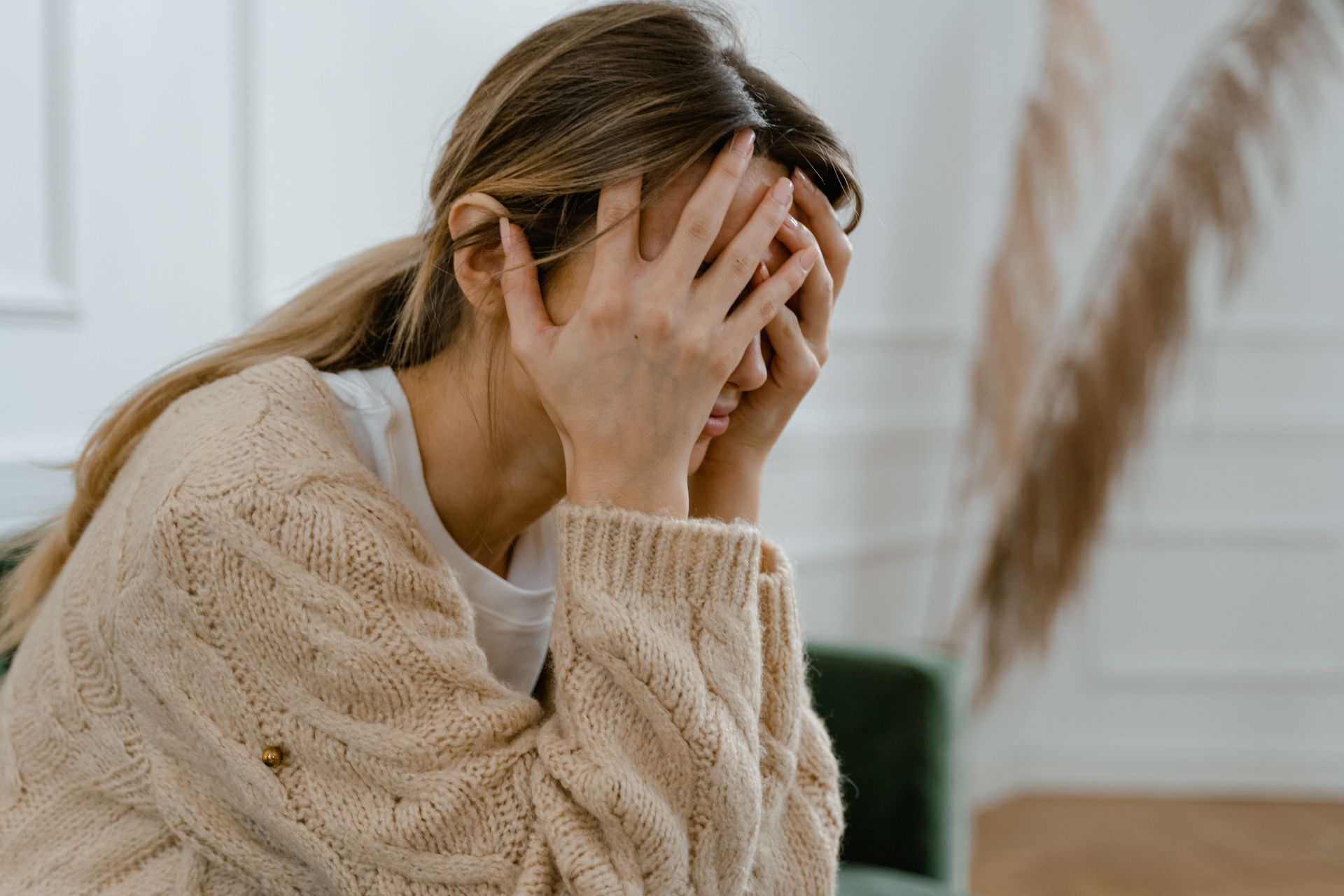
Understanding the Symptoms of Anxiety
Everyone experiences anxiety from time to time. Feeling nervous before a presentation, worried about a loved one, or stressed during difficult seasons of life is a normal part of being human. However, when anxiety becomes persistent, overwhelming, or begins to interfere with daily life, it may be more than ordinary stress. Understanding the symptoms of anxiety can help individuals recognize when they may benefit from additional support and coping strategies.
What Is Anxiety?
Anxiety is the body's natural response to perceived danger or uncertainty. Often referred to as the "fight-or-flight" response, anxiety prepares us to respond to threats. While this response can be helpful in certain situations, chronic anxiety can cause distress and affect physical health, relationships, work, and overall well-being.
Symptoms of anxiety can vary from person to person, and not everyone experiences the same signs. Some symptoms are emotional, while others are physical or behavioral.
Emotional Symptoms
One of the hallmark symptoms of anxiety is excessive worry. Individuals with anxiety often find themselves worrying about many different areas of life, such as health, finances, relationships, or work. These worries can feel difficult to control and may persist even when there is little objective reason for concern.
Other emotional symptoms include:
- Feeling nervous, restless, or constantly "on edge."
- Difficulty relaxing.
- Irritability or increased frustration.
- A sense of impending doom or feeling that something bad is about to happen.
- Trouble concentrating or feeling mentally scattered.
Many people with anxiety describe their minds as constantly racing, making it difficult to enjoy the present moment.
Physical Symptoms
Anxiety affects not only the mind but also the body. Because the body's stress response becomes activated, a variety of physical symptoms may occur, including:
- Rapid heartbeat or heart palpitations.
- Muscle tension or aches.
- Sweating.
- Trembling or shaking.
- Shortness of breath.
- Dizziness or lightheadedness.
- Nausea or stomach discomfort.
- Headaches.
- Fatigue or low energy.
These physical sensations can be frightening, especially when they occur unexpectedly. In some cases, panic attacks can develop, producing intense symptoms such as chest pain, difficulty breathing, and feelings of losing control. Although panic attacks can feel terrifying, they are not life-threatening.
Sleep Disturbances
Sleep problems are common among individuals struggling with anxiety. Some people find it difficult to fall asleep because their minds are racing with worries. Others wake frequently during the night or awaken feeling unrested.
Poor sleep can increase anxiety symptoms, creating a cycle in which anxiety and sleep difficulties reinforce one another. Addressing healthy sleep habits is often an important component of managing anxiety.
Behavioral Symptoms
Anxiety often influences behavior in subtle ways. People may begin avoiding situations that trigger uncomfortable feelings. For example, someone with social anxiety may avoid parties or public speaking, while another person may postpone medical appointments or important conversations because of fear.
Other behavioral signs include:
- Procrastination.
- Difficulty making decisions.
- Constant reassurance-seeking.
- Overchecking or overanalyzing situations.
- Withdrawal from friends and activities.
- Increased use of unhealthy coping behaviors.
Avoidance can provide temporary relief, but over time it often strengthens anxiety and limits a person's life.
When Anxiety Becomes a Problem
Occasional anxiety is normal, but anxiety may warrant professional attention when it:
- Persists for weeks or months.
- Feels difficult to control.
- Interferes with work, school, or relationships.
- Causes significant distress.
- Leads to avoidance of important activities.
- Produces frequent panic attacks or sleep problems.
Seeking help is not a sign of weakness. Anxiety disorders are among the most common and treatable mental health conditions. Effective treatments include cognitive behavioral therapy (CBT), mindfulness practices, relaxation techniques, exercise, medication when appropriate, and approaches that help individuals understand and regulate their emotions.
Finding Hope
Living with anxiety can feel exhausting, but it is important to remember that anxiety is highly treatable. Many people learn to manage their symptoms successfully and regain a sense of peace and confidence. Developing healthy coping skills, practicing self-compassion, maintaining supportive relationships, and seeking professional guidance when needed can make a profound difference.
Recognizing the symptoms of anxiety is often the first step toward healing. By paying attention to both emotional and physical signs, individuals can better understand what they are experiencing and take meaningful steps toward greater calm, resilience, and emotional well-being.